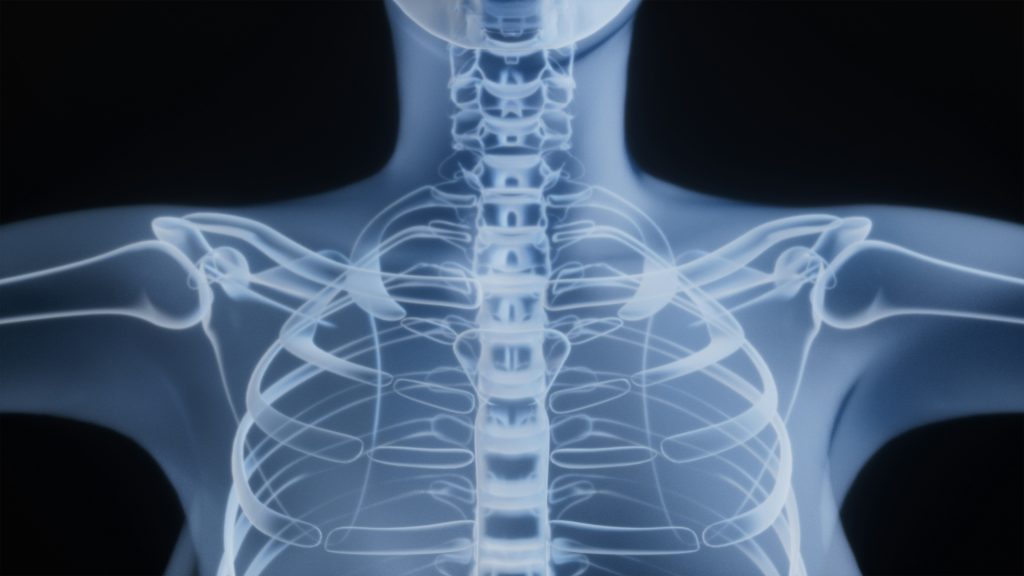
Our bones are living tissues that are constantly renewing themselves and adapting to the body’s needs throughout life. The balance between bone formation and bone breakdown determines bone density, which reflects how stable and resilient the bone structure is. Maintaining this balance is important not only in older age – long-term stability can be supported through conscious attention throughout life.
What Is Bone Density?
Bone density refers to the mineral content and structural compactness of bones. The body continuously breaks down and rebuilds bone tissue, which is why maintaining this balance is essential. The goal is not to seek quick solutions, but to support bone metabolism in a balanced way.
What Factors Can Affect Bone Health?
Several factors can affect bone health:
– the amount and type of physical activity
– calcium and mineral intake
– vitamin D status
– the quality of protein intake
– natural changes associated with ageing
– lifestyle habits
The long-term stability of bones depends on the coordinated interaction of multiple factors.
Important Nutrients for Bone Health
Calcium
Calcium is one of the essential building blocks of bone tissue. Adequate intake contributes to the maintenance of normal bones. Since the body can also mobilise calcium from the bones when needed, regular intake is particularly important.
Vitamin D3
Vitamin D contributes to the normal absorption and utilisation of calcium. Sun exposure, lifestyle and diet can all influence the body’s vitamin D levels.
Vitamin K2
Vitamin K2 is often included in bone-focused formulations because of its relationship with calcium. A comprehensive approach is important here as well: not only the amount of each individual ingredient matters, but also how they work together.
Magnesium
Magnesium plays a role in maintaining mineral balance and also contributes to the maintenance of normal bone structure.
The Role of Physical Activity in Bone Stability
Bones adapt to physical stress. Regular, moderate physical activity – such as walking, light strength exercises or bodyweight training – can help support the balance of bone metabolism. The key is consistency and gradual progression.
How Can Bone Health Be Supported in the Long Term?
– a balanced diet rich in minerals
– regular physical activity
– monitoring adequate vitamin D status
– choosing supplements with complex formulations
A conscious approach can help maintain bone stability over the long term.